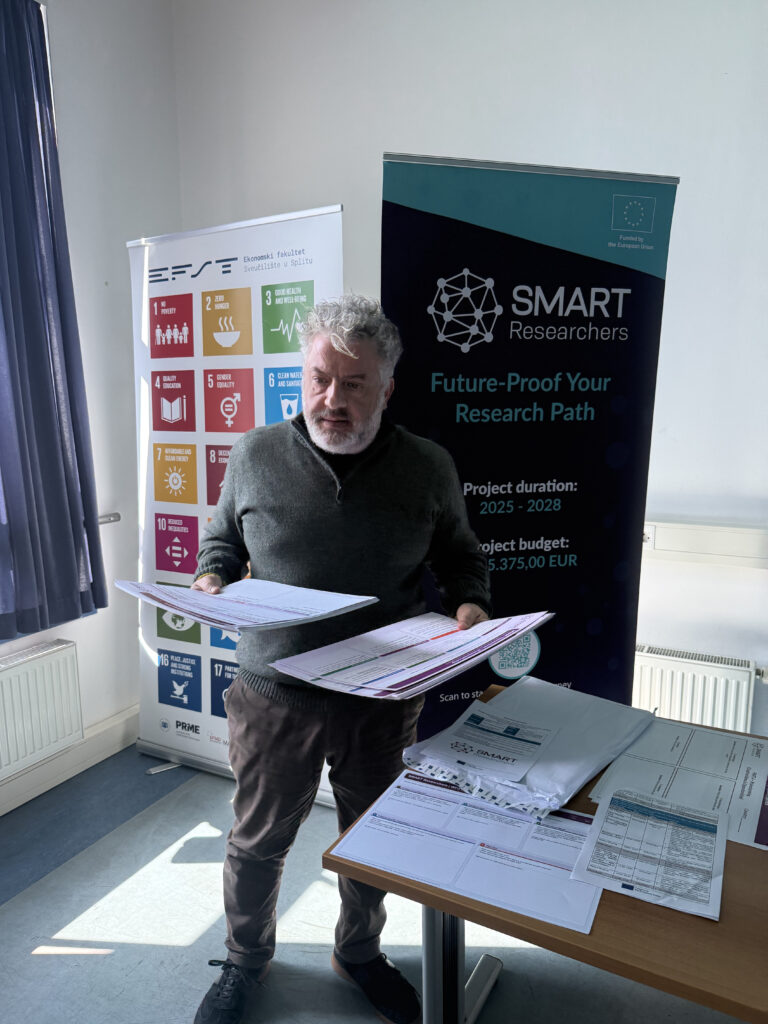
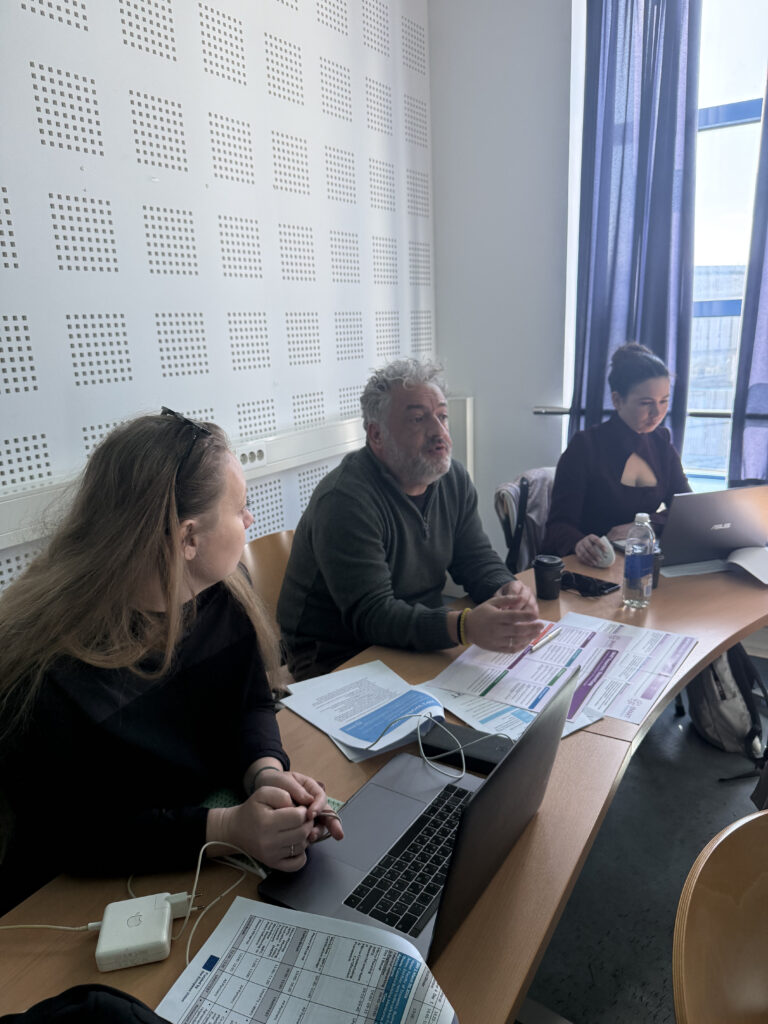
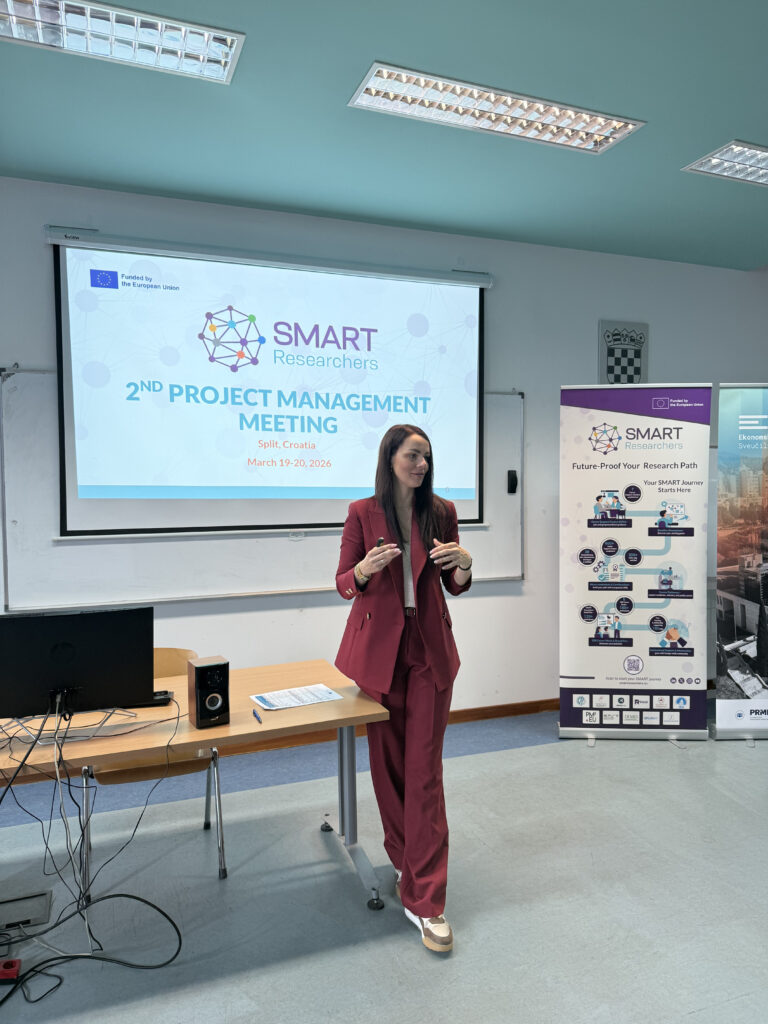
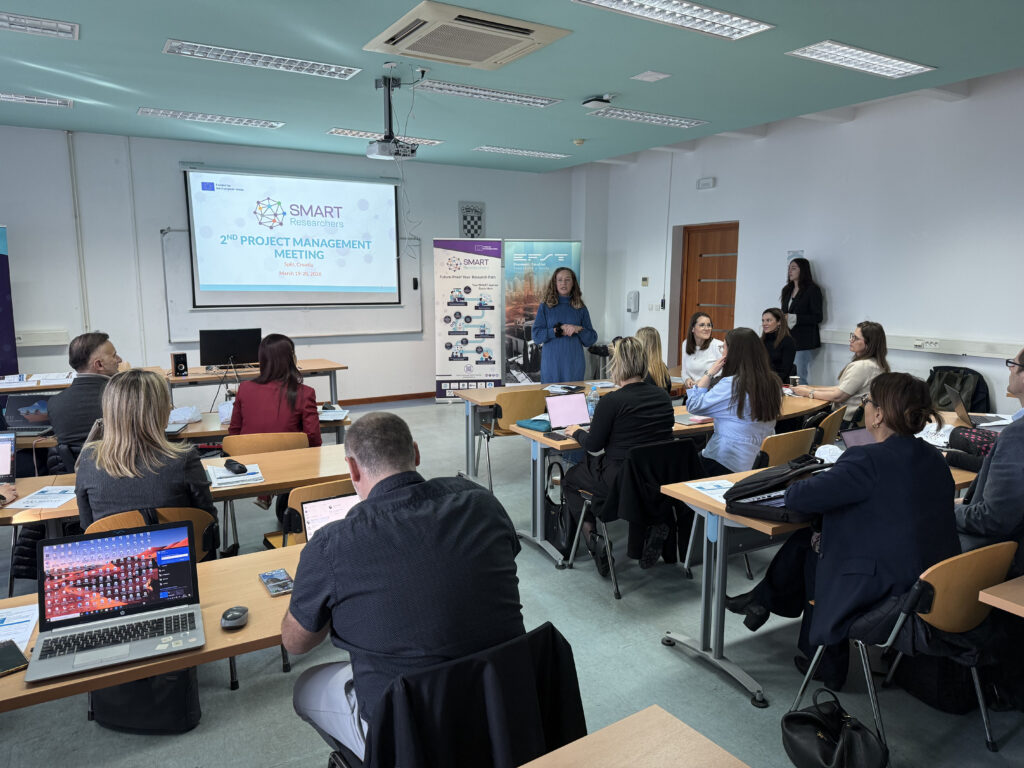
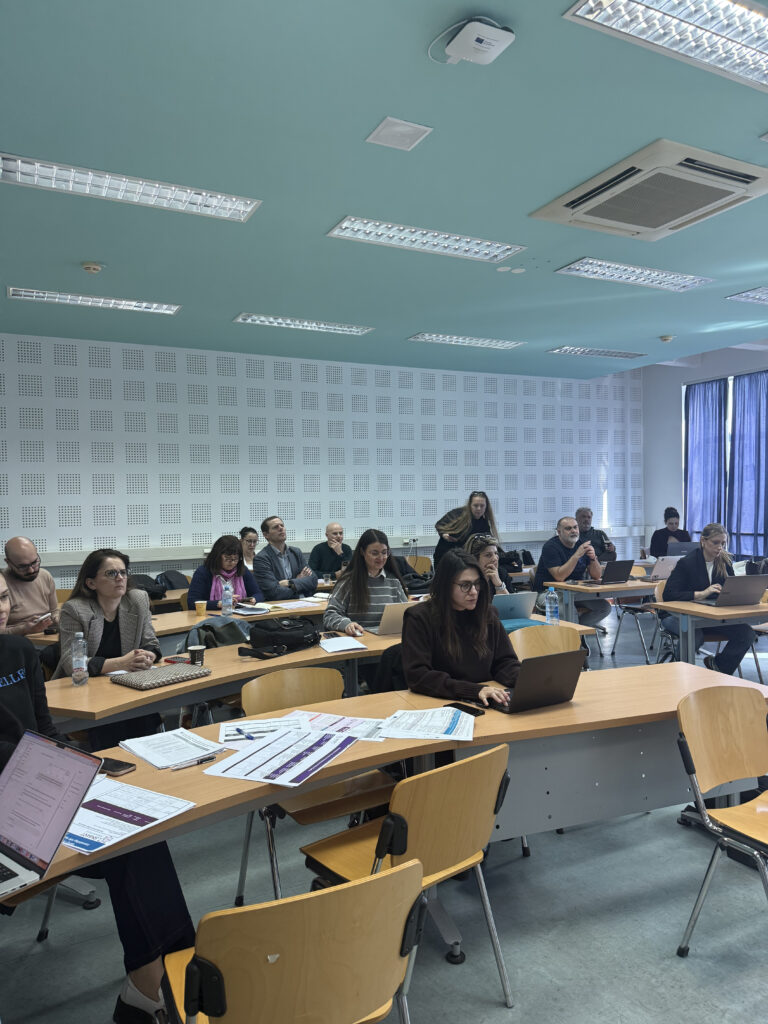
As WP3 leader, European Academy co-led the session “Micro-Planning – WP3: ResearchComp-based Micro-Credentialing & Certification Framework” together with University of Novi Sad Faculty of Technical Sciences and PM² EU. During the session, partners discussed the overall implementation logic of WP3, which connects competency mapping, training programmes, micro-credentials, certification, and improved employability for early-stage researchers. The presentation also clarified how the framework is being structured around the ResearchComp competence areas and sub-competencies, and how these will be translated into competence-based learning outcomes, learning units, micro-credentials, and competence-area certification.
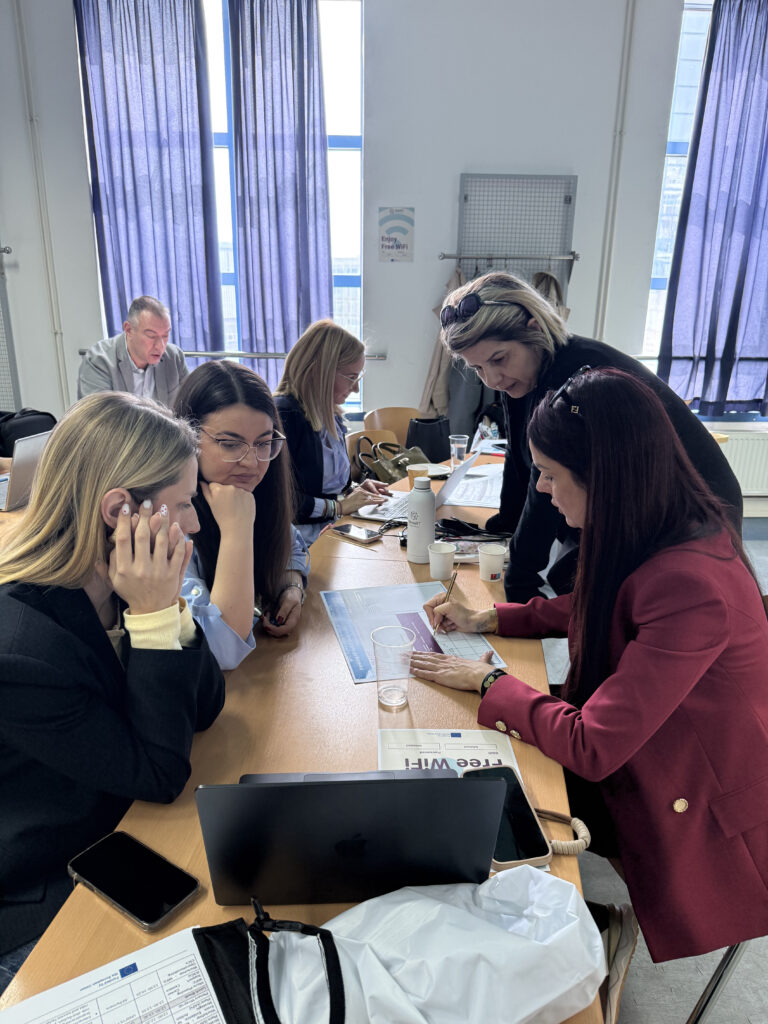
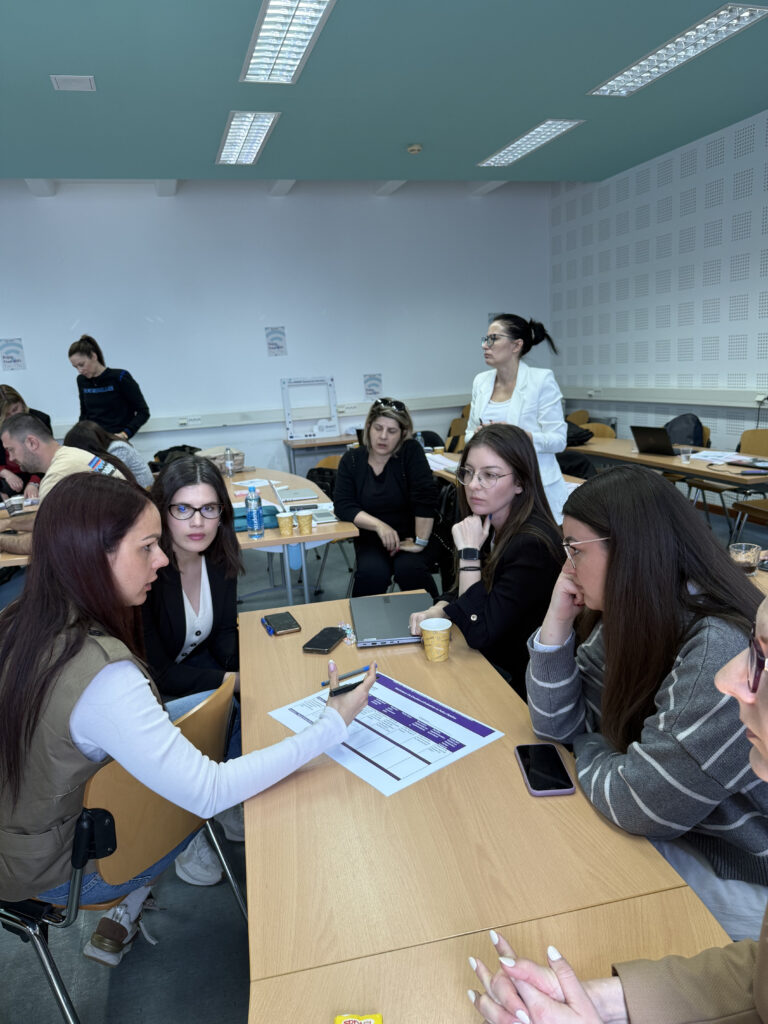
A key part of the session was the WP3 Certification Design Canvas workshop, jointly organised by EA, UNSFTS, and PM² EU. The goal of the workshop was to agree the core design logic of the SMART Researchers micro-credentialing and certification framework. Through group work, partners explored the purpose of certification, the stacking logic between learning units, micro-credentials and certification, the minimum evidence needed for awarding credentials, the balance between training and recognition of prior competence, and priorities for piloting the framework. The discussion confirmed strong consortium interest in building a system that is credible, structured, and meaningful for researcher development across institutional and sectoral contexts.
For European Academy, the Split meeting marked an important step in moving WP3 from concept to operational design. The discussions helped validate core assumptions, identify open design questions, and generate practical input that will now feed into the next outputs under the specific WP.
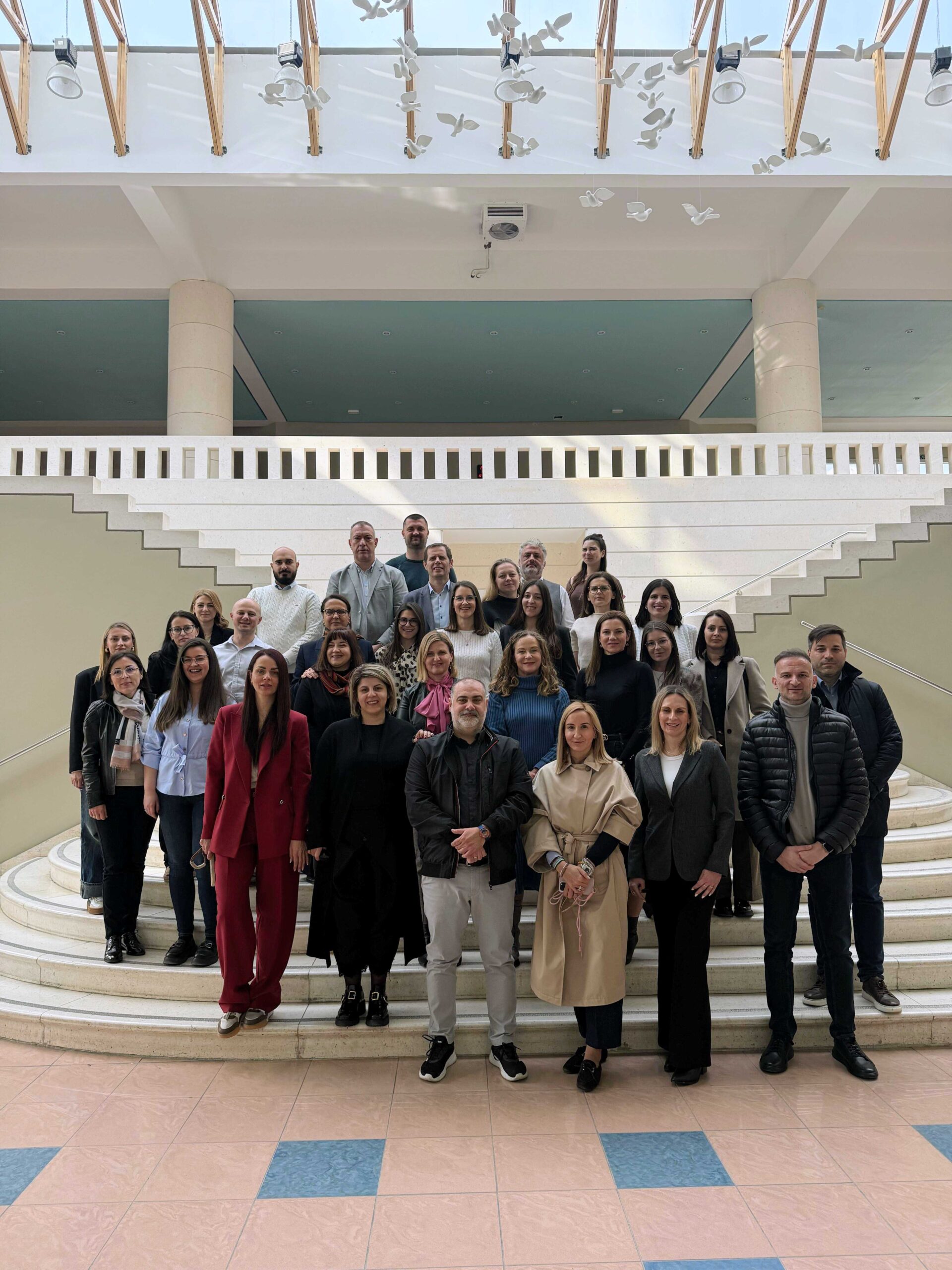
SMART Researchers continues to build a shared European approach to recognising and developing researcher competences, with a strong focus on quality, flexibility, and long-term institutional impact. We are proud to contribute to this process and grateful to all project partners for the constructive discussions and collaborative spirit in Split.